I've been quiet on LinkedIn for a few months. Mostly because I've been busy, which is a good problem to have, helping a lot of people get software across the line. Somewhere in the middle of all that I noticed something about my own work that I don't think many developers have said out loud yet.
How it used to go
For most of my 20-odd years building software, an MVP had a predictable shape. The first 80% came with momentum. You set up the structure, build the main screens, get the core flow working, and the client starts to see their idea become real. Everyone's excited.
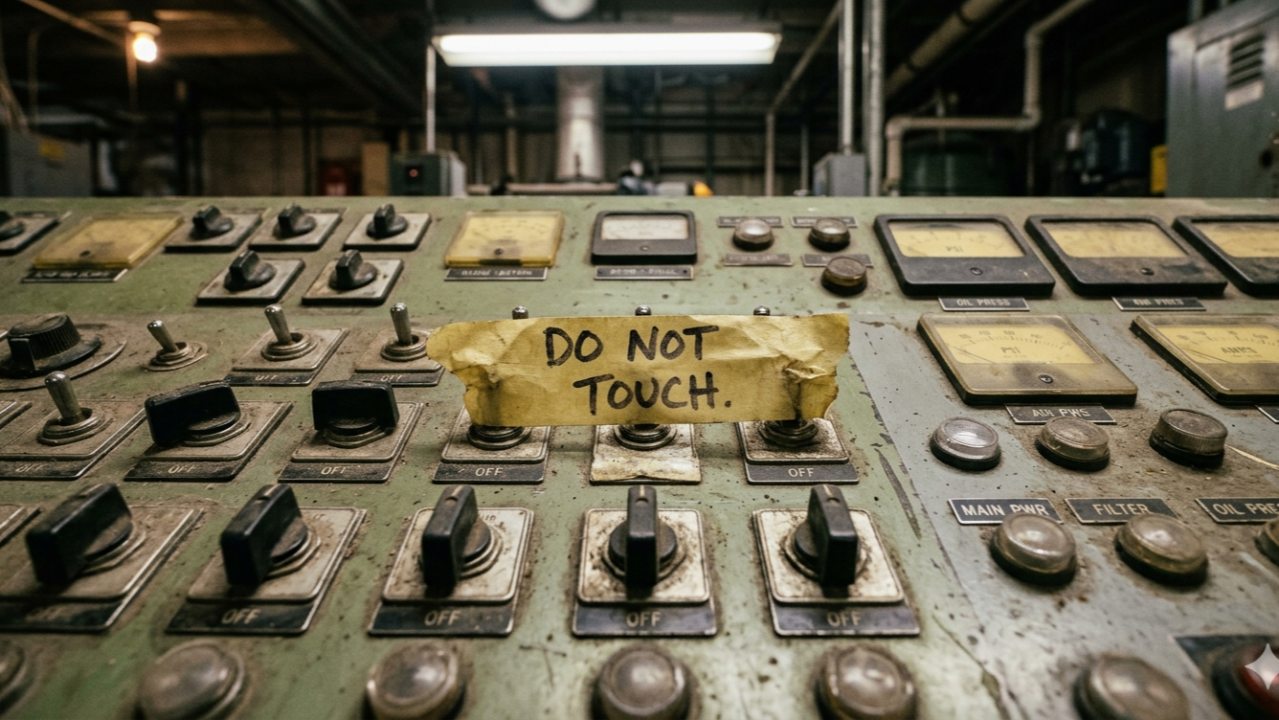
Then you hit the last 20%, and it's a grind. The edge cases nobody mentioned in the brief. The data from the old system that looks nothing like the spec said it would. The second user role that turns out to need different permissions on half the screens. Email deliverability, backups, what happens when the payment provider sends the same notification twice, the bug that only shows up on one person's laptop.
None of that is glamorous and none of it demos well. But getting through it properly is what turned a client into a happy client. The ones who came back and sent their friends were the ones who got exactly what they'd been promised and then a little more. Over the years that's the thing I learned to manage more carefully than anything else: expectations.
Code is how you meet them, but expectations are what the client is actually holding you to.
What AI changed
These days I build with AI in the loop on pretty much everything, and the shape is different. I get to around 95% about ten times faster than I used to, and the quality at that point is better than my old 80% ever was. Scaffolding, boilerplate, the first pass at a test suite, the fifth admin screen, all of that is quick now.
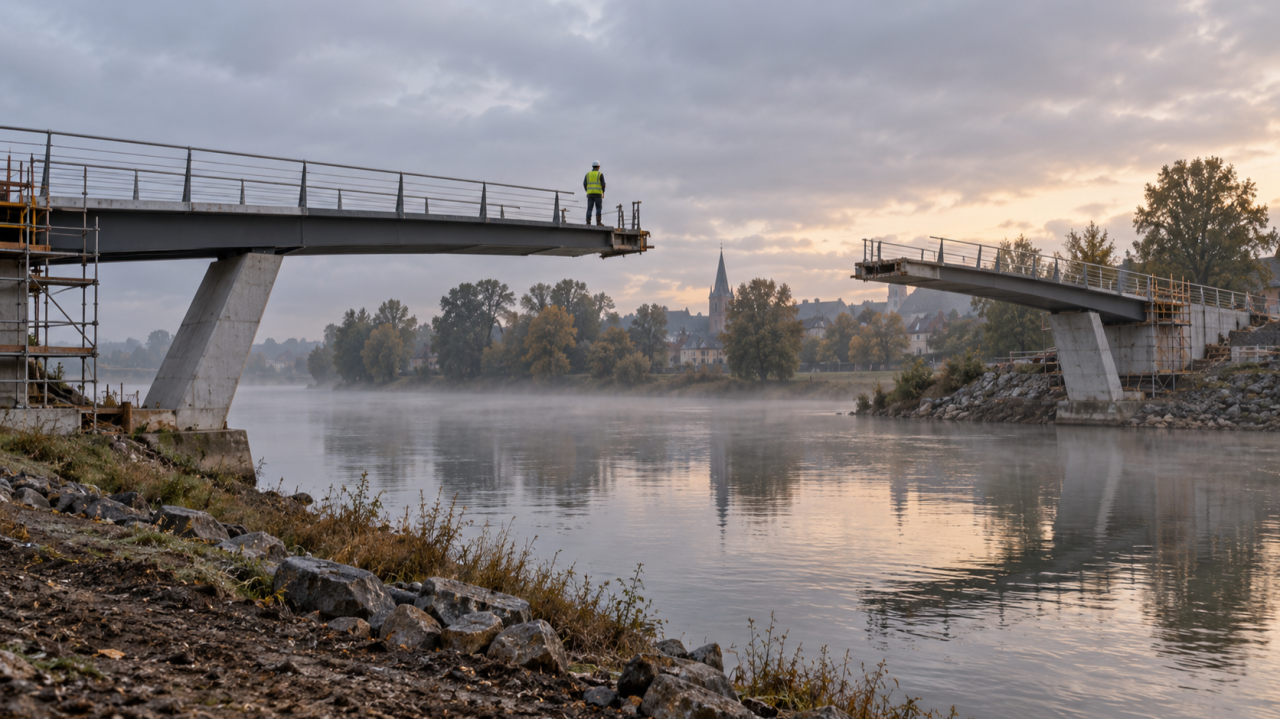
The grind at the end is a fraction of what it was. It hasn't gone away though, and that's what I want to talk about.
The uncomfortable part
Here's what I think AI has exposed. For decades we priced software on the visible part: hours, features, screens, sprints. That made sense, because the visible part was where most of the time went. Clients could see it, so they paid for it.
But they were never really buying code. They were buying the confidence that the thing would work when real people started using it, with real money and real data going through it. The last 20% was where that confidence got built. It just came bundled with a lot of typing, so nobody bothered to separate the two.
AI has pulled them apart. The typing is cheap now. What's left is the judgement about what can go wrong, the memory of where software usually breaks, and the discipline to actually finish. That turns out to have been the valuable part all along. The last stretch was always the job, we just didn't price it that way.
A story you might recognise
A founder came to me recently (this is a blend of a few similar projects, details changed). She'd built her platform herself using one of the AI app builders, and it looked great. The demo was slick, early testers liked it, and she had her first paying customers lined up.
Then the paying customers arrived. In the first couple of weeks two staff members editing the same booking quietly overwrote each other's changes. Password reset emails were landing in spam. One customer got charged twice because the payment confirmation came through twice and the app processed both. And when we looked at the database rules, any logged-in user could read every other customer's records if they knew where to look.
Not one of those problems showed up in the demo.
The fixes took about three weeks. Most of that time wasn't writing code. It was knowing where to look, working out with her what "correct" meant for her business, and testing it properly. AI helped me write the fixes quickly. It didn't know which questions to ask.
Why 95% looks like done
I want to be careful here, because a lot of the people building with these tools are smart, driven founders, and I have a lot of respect for anyone who builds something from nothing. But if you've never had to carry a product all the way to 100% and then keep it running, you can't see what's missing. 95% looks finished. It looks finished in the screen recording, in the pitch, in the first week of use.
That's the trap. AI has made the unfinished part smaller and much harder to spot, so projects look done earlier and fall over later, usually once customers are depending on them. A problem you find in week one of building is cheap. The same problem found in month three of trading costs you money and trust.
What I'd tell anyone building right now
If you've built something with AI and it's nearly ready, treat the last stretch as its own piece of work with its own budget. It won't take care of itself, and it's rarely as small as it looks.
Before real users touch it, get someone who has shipped and supported production software to look at the boring things: who can see what data, what happens when a payment goes wrong, what happens when two people do the same thing at once, and what happens when it breaks at 2am.
And be upfront with your own customers about where you are. Expectations are a lot easier to set than to repair.
That's what I've been doing these last few months, taking things that are almost there and getting them finished properly. AI made me faster at the first 95%. It didn't make anyone better at the last 5.
Originally published on LinkedIn.