Why User Training & Device Updates Are Crucial for Your App's Success

![[headshot] image of customer (for a trucking company)](https://cdn.prod.website-files.com/68d162bfd50a4091704dc87d/699567448482e8e3d0818e39_2.png)
In today's fast-paced digital world, launching a new product, especially a mobile or web app, is only the beginning. The true test of success lies in how users interact with your app post-installation and whether they continue to use it as intended. Two critical yet often overlooked factors can make or break your app’s success: proper user training and ensuring users’ devices are kept up-to-date. Neglecting these can significantly affect user experience (UX), tarnish your app's reputation, and, ultimately, harm your brand.
Let’s delve deeper into why user training and device updates are essential aspects of the product development lifecycle.
No matter how intuitive your app's user interface is, users still require some level of guidance to make the most of its features. Apps today are complex, with advanced functionalities that users may not immediately grasp. Without adequate training or onboarding, users are left to figure things out themselves, leading to frustration, incorrect usage, and eventually abandoning the app altogether.
The initial experience users have with your app sets the tone for their relationship with your product. A smooth onboarding process with training videos, interactive tutorials, or helpful prompts ensures users understand the app's value quickly. If users struggle during the first few minutes, they’re unlikely to return, no matter how innovative your app is.
Proper training reduces the volume of support requests and complaints. Users who understand how to use your app effectively are less likely to encounter errors or need assistance. This not only saves costs but also boosts customer satisfaction.
When users feel confident in using your app, they’re more likely to engage with it frequently and recommend it to others. Training materials and resources convey that your brand values its customers and is invested in their success.
An equally crucial yet often underestimated factor in product development is ensuring that users’ devices remain updated. While this may not seem like the developer’s responsibility at first glance, it has a direct and profound impact on your app's performance and perception.
Technology evolves rapidly, and mobile operating systems like iOS and Android frequently release updates to improve performance, security, and functionality. If users run outdated software, your app might not function as intended, leading to crashes, slow performance, or missing features. This can frustrate users and cause them to blame your app, even when the root issue lies with the device.
Older operating systems often lack the latest security patches, making devices and apps susceptible to cyberattacks. If users experience a security breach while using your app, they may associate the blame with your brand, regardless of whether the app itself is secure. Encouraging users to update their devices helps mitigate these risks.
As you continue to enhance your app with updates and new features, ensuring compatibility with outdated devices can become increasingly difficult. Developers must often choose between spending resources supporting legacy systems or pushing innovation. By encouraging users to stay updated, you can focus on delivering cutting-edge features without compromising quality.
Your app's performance is a direct reflection of your brand. If users encounter glitches or crashes because of outdated devices or operating systems, they won’t likely understand the technical reasons behind the issues. Instead, they’ll associate these problems with your brand, which can harm your reputation and reduce customer retention.
Now that we’ve established the importance of proper user training and keeping devices updated, let’s explore practical strategies to implement these principles effectively:
While encouraging updates is essential, it’s also crucial to support older devices to a reasonable extent. Conduct regular testing across multiple OS versions to ensure your app remains functional for users who cannot update immediately.
Prioritizing user training and advocating for updated devices goes beyond simply enhancing user experience. Here’s what your brand stands to gain:
Well-trained users who can fully utilize your app’s features are more likely to stick around, reducing churn rates. Similarly, ensuring device compatibility minimizes frustrations that lead to app abandonment.
Happy users are your best advocates. By providing an optimal experience, you increase the likelihood of receiving glowing reviews and word-of-mouth recommendations.
Addressing potential issues through training and proactive communication reduces the need for customer support and costly bug fixes later.
An app that consistently performs well and is backed by a company invested in its users' success leaves a lasting impression. This builds trust and positions your brand as reliable and forward-thinking.
<br>
Here's an image that encapsulates the "Long-Term Benefits" of user training and device updates – a visual of interconnected elements like a smiling user, positive reviews, cost savings, and a strong brand logo, all pointing towards a growing upward trend.
The journey of product development doesn’t end with creating a great app. Ensuring users are well-trained and their devices are updated is critical to delivering a seamless user experience. By prioritizing these aspects, you not only enhance customer satisfaction but also strengthen your brand’s reputation in the competitive digital landscape.
As developers, we must remember that the user's perception of our product often extends beyond the app itself. It’s about how well the app integrates into their digital ecosystem and how supported they feel throughout their journey. With thoughtful planning and execution, you can ensure your app remains a favorite on users' devices for years to come.
Explore stories of breakthrough software, bold ideas, and the people behind tomorrow’s solutions.
![<subject>[interface] screenshot of collaboration interface (for a productivity tools business)</subject>](https://cdn.prod.website-files.com/68d162bfd50a4091704dc87d/699b87eb8c270575dc039266_1733426455876.png)
Discover how smart automation is reshaping farming, boosting yields, and empowering sustainable growth.
Dive into the journey of building a mobile app that modernizes a 140-year-old industry for today’s teams.

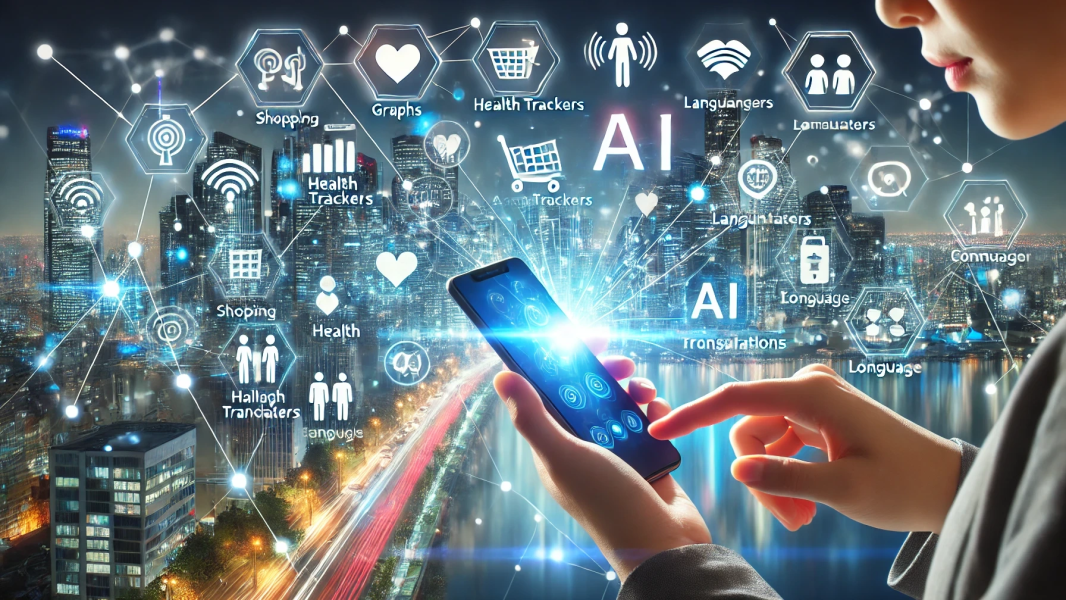
Explore how AI is moving beyond buzzwords to redefine mobile applications, delivering personalized experiences, enhancing health, boosting productivity, and democratizing technology for billions of users worldwide.
Follow the story of a bold product idea, from concept to launch, and the lessons learned along the way.